

Respond to Holiday Stress with Yoga

Respond to Holiday Stress with Yoga

Respond to Holiday Stress with Yoga

ebd11bc6-110d-4705-83e8-7c75779b6426The stress of the holidays doesn’t evaporate when the ball drops on January 1; science tells us we retain experiences in our body as much as our mind. “We all are biologically and neurologically programmed to deal with emergencies, but time stops in people who suffer from PTSD. That makes it hard to take pleasure in the present because the body keeps replaying the past. If you practice Yoga and can develop a body that is strong and feels comfortable, this can contribute substantially to help you to come into the here and now rather than staying stuck in the past.” (Bessel Van der Kolk, author of The Body Keeps the Score).

The good news: you don’t have to carry the frustrations of this season with you. You can teach your body to respond to stress using mindful breathing and movement. By arranging our bodies in particular ways, we train the nervous system how to approach challenges with openness. The process of exerting effort and relaxing throughout the body helps dissolve tension, which is stress manifested in your body tissues.

While this time of year often seems too busy, perhaps it’s even more important to establish a yoga practice so you can move through the hustle and bustle with strength and ease. Avoid the additional stress of venturing to a class by scheduling your private yoga session with Michele Minehart, Mind Body Health Associates’ in-house yoga instructor. Michele will work with you personally to address any challenges and help develop a sequence of postures for home practice. Individualized yoga introduces you to postures and concepts, a great starting point for those interested in eventually taking classes in a group setting from any of the fabulous yoga studios in town.

You can call the office to schedule your one-hour session, or consider a gift certificate for someone you think would appreciate it.

Mind Body Health Associates Logo

Contact Us

Treating Addiction

Treating Addiction

Treating Addiction

with the Freedom to Feel

by Jayne Williams, LICDC, LICC

Emotional pain is gasoline to the fire of addiction. Before a chemical or physiological addiction transpires, a person craves the escape from his or her feelings. In the work of recovery, we must address not only the behaviors, but the web of experience behind the behavior. The work of knowing our feelings – mindfulness – takes a regular practice of awareness. Many times we experience emotion below the surface and attempt to escape before we’ve had a chance to name them.

In discussing addiction, we most often refer to chemical dependency, an emotional and physical tolerance to chemicals. We can’t ignore the plethora of process addictions that do not involve ingesting a substance, but which alter a person’s mood and have negative consequences for their lives, such as gambling, sexual addictions, shopping, pornography, and eating/exercise compulsions.

We can always find a distraction, be it substances, social media, shopping, or work. To heal, we need to be able to know what we are feeling at any given time and share it with someone. This tendency to not know our emotions or connect with others for support leaves us vulnerable to numbing behaviors.

If I go shopping by myself when I am feeling a bit down, am I addicted? If this is the only way to manage feelings, then it could be a problem. It is repeated use of any behaviors without other means of coping and support that is the concern.

The good news: every day, every moment, you have a choice. You can choose to numb and avoid or you can choose the courage to share it with someone. It can be scary to share emotions with another person, be it a friend, partner or even counselor. You might feel vulnerable when you put down your armor, but the feeling of being loved and supported doesn’t wear off like the emotional numbing of addictions does. When your feelings rise to the top, acknowledge them, share them with a safe and healthy outlet and recognize that you can choose your response.

Jayne Williams, LICDC – LEARN MORE


Mindful Educators

Mindful Educators

Mindful Educators


Students aren’t the only one feeling the back-to-school adjustment Mindful Educators Pictureperiod. Educators and school staff often feel a similar exhaustion from meeting the needs of students in the midst of transition.


On August 18, therapist Holly Schweitzer Dunn, LISW and yoga instructor Michele Minehart, RYT, visited the Montessori School of Bowling Green to consult with teachers about the importance of self-care and to provide breath, movement and mindfulness practices for personal and classroom use.

If you’re interested in a similar classroom or professional training, talk to Holly or Michele about opportunities for your building or district.

Mind Body Health Associates Logo

Contact Us

Helping Kids: Take a Breath

Helping Kids: Take a Breath

Helping Kids: Take a Breath

Research continues to provide evidence that kids who practice mindful breathing improve their impulse control and can hold their attention for longer periods of time. But how would you explain that to a small child? Mindful.org put together this video of children explaining how they use their breath can help in situations where they’re angry and upset.

Just 90 seconds to 2 minutes of steady, even breathing paired with mindful awareness can shift out of the sympathetic (“flight, fright or freeze”) nervous system and into the parasympathetic (“rest and digest) mode of operation.

When mind, body and breath are calm, the brain can give a more reasonable response to the homework, social interaction or disappointment that caused the emotional response.

<iframe width="560" height="315" src="https://www.youtube.com/embed/RVA2N6tX2cg" frameborder="0" allowfullscreen></iframe>
Mind Body Health Associates Logo

Contact Us

Smooth Transitions

Smooth Transitions

Smooth Transitions

Smoother Transitions Picture

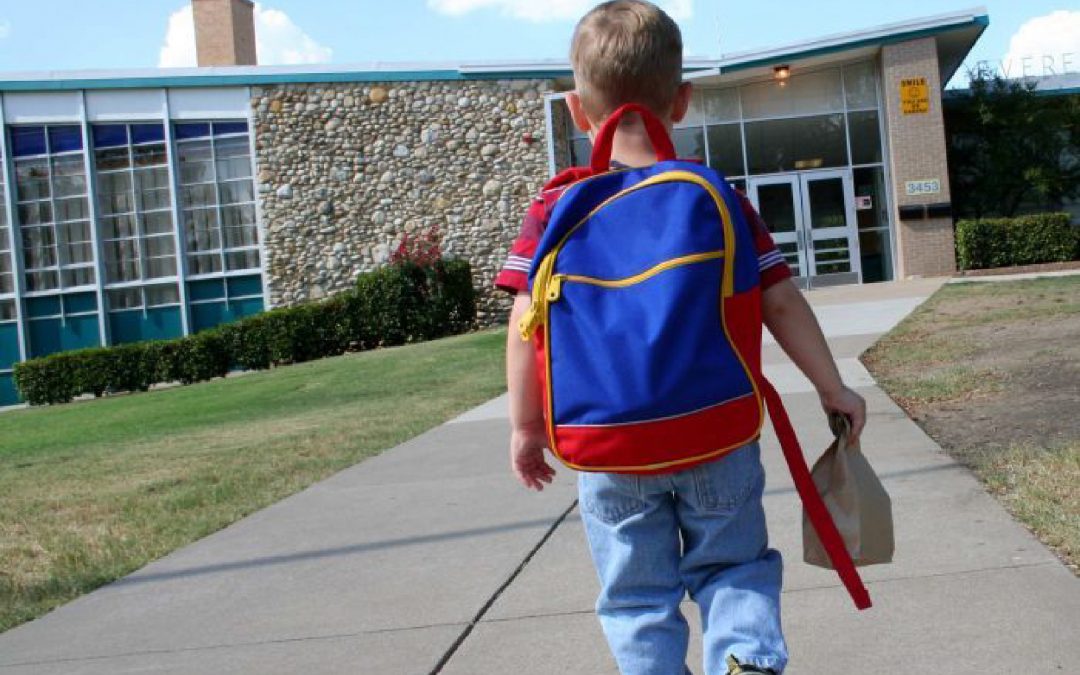
By now, most  area schools have welcomed back the students from summer break. Our teachers returned to classrooms, hopefully refreshed, ready to inspire young minds. However, these seasons of change can pose challenges as kids get accustomed to new faces, classroom environments, rules and processes.


In order to ease these transitions, consider taking a Mindful Parenting approach:

  1. Get moving.  Little (and big!) bodies need to move each day, and with less summertime natural play, it will be important to offer some unstructured time of play each day. This could mean kicking the ball in the front yard or going for a walk as a family.
  2. Provide nourishment. Not “food stuff” which may resemble food but is made primarily of chemicals and additives. Consider fresh fruits and veggies in a variety of colors, shapes and textures. The local farmer’s market can provide the family an experience of finding delicious options to keep our bodies working their best.
  3. Go to bed. Scientists continue to pump out the research indicating that a good night’s sleep is necessary to the fully-functioning human being. Help your child’s brain get into rest mode by powering down all electronic devices for an hour before bed – read a book, share about your day and spend time as a family.
  4. Keep goodbyes short and sweet. Younger children do best when caregivers lovingly and confidently escort them to school, give them a reassuring hug and allow them to join their classmates. Some children experience anxiety at the thought of leaving mom and dad for the day. It is important for parents to model to their children how to securely separate and come back together by staying positive and keeping parental emotion to a minimum (cry it out in the car!).  Though it stems from good intentions, parental hovering actually leads to more child anxiety than it alleviates by giving the child the message there is something to be worried about.

Debrief the day.  Time together in the evening is the most important part of any day. As a family, talk about the highs and lows, share what was learned, and work through the things that were difficult.This is where real learning happens.

By now, most  area schools have welcomed back the students from summer break. Our teachers returned to classrooms, hopefully refreshed, ready to inspire young minds. However, these seasons of change can pose challenges as kids get accustomed to new faces, classroom environments, rules and processes.

In order to ease these transitions, consider taking a Mindful Parenting approach:

  1. Get moving.  Little (and big!) bodies need to move each day, and with less summertime natural play, it will be important to offer some unstructured time of play each day. This could mean kicking the ball in the front yard or going for a walk as a family.
  2. Provide nourishment. Not “food stuff” which may resemble food but is made primarily of chemicals and additives. Consider fresh fruits and veggies in a variety of colors, shapes and textures. The local farmer’s market can provide the family an experience of finding delicious options to keep our bodies working their best.
  3. Go to bed. Scientists continue to pump out the research indicating that a good night’s sleep is necessary to the fully-functioning human being. Help your child’s brain get into rest mode by powering down all electronic devices for an hour before bed – read a book, share about your day and spend time as a family.
  4. Keep goodbyes short and sweet. Younger children do best when caregivers lovingly and confidently escort them to school, give them a reassuring hug and allow them to join their classmates. Some children experience anxiety at the thought of leaving mom and dad for the day. It is important for parents to model to their children how to securely separate and come back together by staying positive and keeping parental emotion to a minimum (cry it out in the car!).  Though it stems from good intentions, parental hovering actually leads to more child anxiety than it alleviates by giving the child the message there is something to be worried about.

Debrief the day.  Time together in the evening is the most important part of any day. As a family, talk about the highs and lows, share what was learned, and work through the things that were difficult.This is where real learning happens.

Mind Body Health Associates Logo

Contact Us