
Understanding the Difference Between Rest and Depletion Recovery

Understanding the Difference Between Rest and Depletion Recovery

Girl doing yoga on the beachIntroduction:

In our fast-paced, modern world, it’s easy to confuse rest with depletion recovery. Many individuals mistakenly believe that they are resting when, in reality, they are merely recovering from over-functioning and energy depletion. Rest is not simply the absence of activity or sleep; it is a conscious decision to maintain energy reserves and allow the body and mind to rejuvenate. In this article, we will explore the distinction between rest and depletion recovery, highlighting the importance of true rest for overall well-being.

 
Defining Rest and Depletion Recovery:
Rest goes beyond physical inactivity or sleep. It involves consciously choosing to disengage from modern distractions such as television, screens, and other energy-draining activities. Rest is a deliberate act of replenishing energy reserves and finding balance.
 
Depletion recovery, on the other hand, refers to the process of recovering from overexertion and energy depletion. It is a reactive response to excessive demands placed on the body and mind, often resulting in fatigue and burnout.
 
The Importance of Rest:
Rest allows the body and mind to recharge, promoting physical and mental rejuvenation. It replenishes energy reserves, enhances cognitive function, and improves overall well-being.
 
Rest plays a crucial role in stress reduction. By consciously disconnecting from daily stressors, individuals can lower cortisol levels, reduce anxiety, and restore a sense of calm.
 
Rest provides an opportunity for the mind to wander, fostering creativity and enhancing productivity. It allows for new ideas to emerge and promotes problem-solving abilities.
 
The Pitfalls of Depletion Recovery:
Depletion recovery may provide temporary relief from exhaustion, but it often fails to address the underlying causes of depletion. Without true rest, individuals may find themselves trapped in a cycle of over-functioning and subsequent recovery.
 
Continuous reliance on depletion recovery without incorporating genuine rest can lead to increased vulnerability to stress, illness, and burnout. It becomes a reactive approach rather than a proactive one.
 
Cultivating Restful Practices:
Engaging in mindfulness practices and meditation can help individuals cultivate a restful state of mind. These practices promote self-awareness, relaxation, and mental clarity.
 
Spending time in nature and engaging in outdoor activities can be incredibly restorative. It allows individuals to disconnect from technology, breathe fresh air, and reconnect with the natural world.
 
Engaging in hobbies and creative pursuits provides an opportunity for restful engagement. Whether it’s painting, playing an instrument, or gardening, these activities promote relaxation and rejuvenation.
 
Conclusion:
Distinguishing between rest and depletion recovery is crucial for maintaining overall well-being. While depletion recovery may provide temporary relief, true rest is essential for replenishing energy reserves, reducing stress, and fostering creativity. By consciously choosing restful practices and prioritizing genuine rest, individuals can achieve a more balanced and fulfilling life.
 

What yoga pose will make this kid listen?

What yoga pose will make this kid listen?

What yoga pose will make this kid listen?

Embodied Education

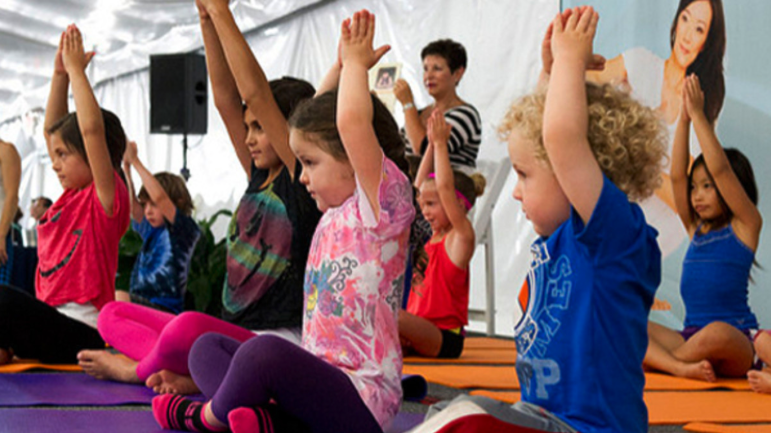
Thanks to a new study getting fabulous publicity, yoga is making its way into classrooms everywhere. At Mind Body Health Associates, we’ve long recognized the importance of bringing the body into the educational setting because of the way it is intimately connected to our brains. Children, especially, need their whole body to be engaged for maximum learning to occur. 

Our in-house yoga instructor, Michele Minehart, has worked with school districts offering yoga as part of their professional development, both as an experiential practice and as interventions for test anxiety. Education is eager to implement these simple tools that utilize the power of mindfulness. You don’t need to get your RYT 200© certification to reap the benefits of helping kids move their bodies and pay attention to their breath. If you’re looking to add a few tools to the toolbox, here are some suggestions:

  1. Start with breathing. Ask your kids to take a big breath before starting the next activity. Our classrooms are filled with hurry and taking a brief moment in the transition will help them to fully arrive at the next activity. 
  2. Give it only 2 minutes. Let go of ideas that you need to devote an hour of classroom time to yet another thing. Science says that 60-90 seconds is all that is required to return an activated stress response (fight or flight) to one that is ready to learn. A few deep breaths with arm movement followed by a standing forward fold, or a balancing pose on a day you feel fancy, is plenty for them to begin. 
  3. Name your targeted outcome. You’re probably not looking for kids to be able to wrap a leg around their neck. What are you looking for when you institute some form of classroom yoga? One of the most noticeable benefits is behavior change, specifically in the realm of self-regulation. You can create a habit with the children to take a deep breath when they’re angry before responding by practicing taking a deep breath while they’re not angry; over time the habit will develop. 
  4. Remember: Where the attention goes, the energy flows. Some kids may not like the classroom yoga because new things are frequently scary things (this is the body’s protective reaction).  You could meet reticence. That’s okay. Don’t use your energy trying to convince the apprehensive students. Instead, direct your attention to the ones who are participating and appreciating the experience. Success is the best PR, and the kids who are more slow to adapt will eventually want to join along. 
  5. Practice what you preach. You don’t need to join a fancy studio, but you can intentionally find ways to mindfully move your body.  Walks in nature and running are great alternatives, especially if you already have a practice. A home yoga practice can be led via youtube or free apps (Michele recommends Down Dog; therapist and yoga instructor Rachel Tincher loves the practices available on Amazon’s Audible). 

Kids have a BS sniffer and can sense if you don’t believe what you’re saying.  Integrate the idea of moving your body as you notice your breath and the present moment so that you can teach the tools with honesty and integrity. 

Recipe: Golden Milk

Recipe: Golden Milk

Recipe: Golden Milk

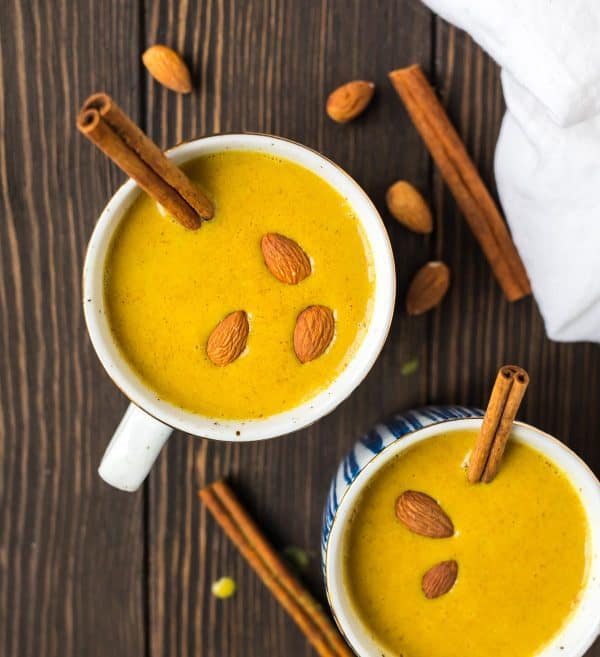
You can find a few of us in the office starting the day with this delicious, nourishing, and warming start to the day. It has its roots as an Ayurvedic staple (Ayurveda is the sister-science to yoga, rich with ancient wisdom), but functional health experts tout its benefits, too. The herbs and spices involved are great for warming the body, decreasing inflammation, and amping up your immunity – perfect for these seasons when you spend more hours indoors, sharing air (and germs) with other people. 

You can search variations of this recipe, but here’s what our yoga instructor, Michele, puts in her cup:

2 cups unsweetened almond milk (if you tolerate dairy well, then using cows milk is fine, especially when warmed)
1-2 tablespoons honey or real maple syrup
1-2 tsp. ground tumeric (if you can find fresh or dried, even better!)
1 1-inch piece fresh ginger, sliced open
1/2 tsp. ground nutmeg
1/2 tsp. ground cardamom
1/4 tsp. black pepper (or one turn of your grinder)
1 cinnamon stick
2 tbsp. ghee (or coconut oil)

Bring this to slight boil and let simmer. Pour it through a strainer into your mug and enjoy as a start or an end to the day. 

Preparing to Go Fallow

Preparing to Go Fallow

Preparing to Go Fallow

If you sense a desire to amplify the experience of coziness that goes with a good winter’s hibernation, but – like most of us – have been socially trained to be constantly productive, you might endure some challenges as you attempt to downshift. Perhaps family or work schedules prohibit you from truly relaxing in the evening in the timeframe you desire. Or once you’ve arrived at home, the mental hurdle of the to-do list keeps you moving. As a collective group, here are some of the things our staff practice to help us enjoy the benefits of a sleepy winter’s night:


  • Make a cup of tea to take in the sensory experience of shifting gears
  • Change your clothes, Mr. Roger’s style – a house sweater or comfy slippers will help attach hibernation focus. 
  • Start a fire in the fireplace to keep you close and prevent you from running one more errand
  • Cover up with a heavy scarf or weighted blanket, which makes it harder to get up and move around

The Mind Body Connection: Explained

The Mind Body Connection: Explained

The Mind Body Connection: Explained

EMDR, or Eye Movement Desensitization and Reprocessing, is a form of mental health treatment that has primarily been used to address the effects of trauma.  At Mind Body Health Associates, all of our clinicians are trained in EMDR and use it in their office as a form of therapy. While this treatment modality has been effective for a subgroup of our clients, it’s important to know that at MBHA, EMDR is more than a form of treatment – it’s a philosophy that undergirds our treatment approach with all.  Every session is held with the understanding that the body and the mind work together to restore health, which affirms the starting point of EMDR.


The brain, all day, every day, takes in sensory information. As it takes in our surroundings and daily events, the mind establishes a narrative around it. Essentially, we each tell ourselves a story about our life and this forms or supports the pieces that make up our identity.

While sleeping, those events and that narrative is processed; essentially they are broken down, made sense of, and either stored as longer term memories or flushed through our system. The important pieces of information find a home within our mind, forming memories. The unessential flow outward. (Research is still new in this area of how these moments get removed from our system, but we have some indication that it’s through the lymphatic system of our bodies.)

People who have survived trauma have experienced moments so terrifying that the mind does not know how to process or make sense of them. By definition, a trauma is something life threatening that does not make sense, is unpredictable, and is out of our control.  Instead of getting processed and “flushed out” during our nightly REM stage mental clean up, these moments essentially get stuck and processing is left unfinished. The presence of stress hormones such as cortisol and adrenaline contribute to the “sticking” of these experiences.  The brain continues to take in new information about each day, but all of these new moments pass by the the traumatic reference on their way to finding their home as memories. Some new memories can accumulate around the stuck experience, slowing the process of brain function.

However, it’s not just Traumatic experiences (commonly involving loss of person or power, such as grief or abuse) that can clog up the nightly flushing process. Holly Schweitzer Dunn refers to these as “big T Trauma” and explains that most people experience “little t trauma” at different moments in life. Jayne Williams chimes in: “we all have moments in our lives that are hard, and it depends on how we are able to process them that determines how they affect us.” Some “little t trauma” moments that aren’t able to be vocalized with close friends or family members in a supportive environment can also get lodged into our minds in a similar manner. This creates negative beliefs about ourselves and/or the world.

Usually, there comes a point where the brain becomes so overwhelmed that daily experiences cannot be processed appropriately. A person in this state cannot sleep, sees changes in appetite, experiences difficulty functioning in daily life, sometimes with symptoms of depression or anxiety. This is often when someone will call the office for help.

But as humans, we have amazing capacity for healing, and our bodies and our minds constantly work towards health. Our cut skin will grow back together and heal – unless it’s blocked, like when we experience a splinter. Even that small shard will prevent healing until it’s put in its appropriate place.

Similarly, our experiences and the way they are processed into our bodies are programmed for healing. Until the problematic experience is fully processed, our body and our subconscious mind will keep returning to it in an attempt to process it. It could be through the rumination symptom of depression, when our minds keep playing it over and over. Or, at a level less obvious to our awareness, we could simply be attempting to process an experience as we take on negative beliefs about ourselves and our world. For example, perhaps you were told at a young age that yellow was an ugly color. You might not have outward feelings toward the color yellow, but you might regularly have moments where you avoid the color yellow when given a choice, because the color yellow is that unprocessed memory coming to the surface, asking to be stored or discarded.

As a therapy tool, EMDR re-processes the memory with a different emotion or belief about the self. In a safe and supportive setting, we use the calming effect that movement has on the nervous system, such as moving the eyes, to begin to move the experience through channels of the mind. Much like a car stuck in the ruts of mud, we use movements to get the neural networks of the brain moving.

By keeping one proverbial foot in the present moment and recalling the past, we are able to attach new meaning to our experiences that draw up different emotions and beliefs about ourselves and the world. Working with a therapist to notice the sensations of the body when thinking about the color yellow, for example, we can notice the way these sensations also show up in other ways. Perhaps our belly clenches and our jaw gets tight when we think about the color yellow, but we also feel those sensations when we hear loved ones argue. Through the act of noticing, we can begin to tell ourselves a new story – not just about the color yellow, but about what is true when we feel these sensations. A clenched belly and a tight jaw can be translated, and we begin to say, “oh, I feel that thing again. What is happening around me that I might not realize is causing me to react?”

Whether or not your therapist and you agree to get out a light board or utilize sound tones in a formal EMDR session, much of your work with any clinical issue in our office centers on the function of past experiences and present sensations. We bring awareness of our body into treatment because it helps us to understand the story we’ve been telling ourselves about who we are and the world around us. And once we understand that story, we can address the negative and positive elements of it.

Keeping Peace This Holiday Season

Keeping Peace This Holiday Season

Keeping Peace This Holiday Season

Christmas cards and commercials are created to make us feel as if every waking hour from Thanksgiving to January 1 should be filled with magical moments with family and friends. We’re socialized to appear “happy” during these celebratory times of year. We know this isn’t always the situation. Rather, the last two months of the year tend to make people feel guilty and ashamed if you don’t feel happy and joyful. Instead of trying to muster up the “happy” of the holidays, consider spending your energy mindfully approaching the season:

1. Validate your feelings. Experience the range of feelings, and remind yourself you need not react. Instead of telling yourself, “I shouldn’t be feeling this way because…” remind yourself that, as a human, feelings are a normal part of a healthy life. Allow yourself to feel and find a response that will be more helpful to move you toward how you want to feel.

2. Cope ahead. Rather than resorting to reactions in the midst of the hustle and bustle, consider taking action before the frenzy begins. Remind yourself of the challenges of previous holidays and plan a potential response. For example, if holiday parties tend to tempt you into engaging in more festive eating and drinking than you are comfortable with, make sure you pack your can of Sprite or give yourself some parameters to follow at the buffet line (“at least two vegetables before a dessert!”). Then when you arrive you can choose to follow what you already know to be best, rather than making decisions with social pressure or emotion involved.

3. Feel it. If you notice your body or mind shifting toward frustration, anger, or grief, name the feeling. Remind yourself that you are allowed to feel. Find a safe place to share the feelings – a close friend or a loved one who will hold space for you. After this, you may feel more freedom to move on to the next feeling.

4. Simplify. Choose wisely how you will spend your precious time and eliminate the parts that are beyond your capacity. No one else gets to dictate how you celebrate a holiday. Consider ordering the holiday dinner, traveling during the holidays or donating to a charity rather than spending money on gifts.

Though the holiday season comes with challenges, give yourself the space to experience the wide range of feelings – joy, grief, love, temptation – as a whole person.