
Community Content
Meet Our Practitioners
Explore by Topic
Our Most Recent Post
Practice Makes Present
Letting go is a lifetime practice but often feels very cerebral. “Easier said than done,” we might say. So if you’re practicing an attitude of release, here are a few things to support your practice.

Can I get a witness?
“When you’re anxious and you need encouragement not direction.” This was the realization of one of Holly’s clients, whom we’ll call Linda, one day while retelling a story of a panic attack. She shared how her boyfriend had been supportive, recognizing her distress. “I know what to do: I need to calm down, I need to breathe…. What I need him to do is witness and walk through it with me.” So, how do we become witnesses for those around us in the midst of anxiety, fear, or simply a bad day? All...

You’re Shoulding All Over the Place
For all of our therapists, a red flag of overusing the judgment faculty part of the brain is using the word “should.” A judge is someone who divides, decides, casts an opinion or makes a decision about a situation. It renders a Should: this person Should not have done this. It divides an experience into camps of right and wrong, and a judge sits above that situation. It’s human nature to give thought to past situations that didn’t go as desired. What could we have done differently? How should...

Judging Others, Judging Ourselves
Last fall I drove through a subdivision and noticed a house with Christmas lights in full glory well before the societally-agreed-upon commencement date of Thanksgiving. I heard a voice in my mind say, “Ugh, seriously? Already? Can we not just have one holiday at a time?” As I drew closer, I remembered that the family in that house had only recently moved in. My inner dialogue began to shift, as it said, “Oh, I bet they’re so excited to celebrate their first holiday season in their new home! I...

Non-judgment in EMDR
At MBHA, one of the cornerstones to treatment is an EMDR-infused philosophy that honors the body and the emotions of one’s past experiences while simultaneously keeping one foot in the present moment. When trauma occurs, the brain responds by becoming hyper-vigilant or “stuck” in accessing (read: judging) if a threat is present, and to make up for the extra awareness the observing part of the brain becomes underdeveloped. In EMDR treatment, we spend time in a resourcing stage so that the...
Letting Go to Grow
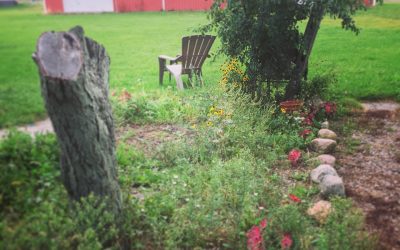
As I looked at my seemingly weed ridden flower bed in front of our home of 3 years now, I snorted and shook my head with a grin at how I once had the thought towards it “you are the bane of my existence”. My garden, in no way meets any ideal standards for an aesthetically pleasing presentation. The first two years I did everything I could to keep the overwhelming weeds and grass choked out, and leveled in that garden, to tame the relentless army of thistles and blades of green. I even...

Self-Care for Teachers
The concept of self-care is catching our collective attention. We’re being admonished to “put the oxygen mask on yourself first” and now we have research to support the claim that self-care helps people manage job-related stress. So what exactly does self-care look like? Is it simply taking more bubble baths and scheduling a spa day? It could be, but self-care reaches beyond pampering, specifically for teachers. When we work with educators in our offices, we hear about the need for something...